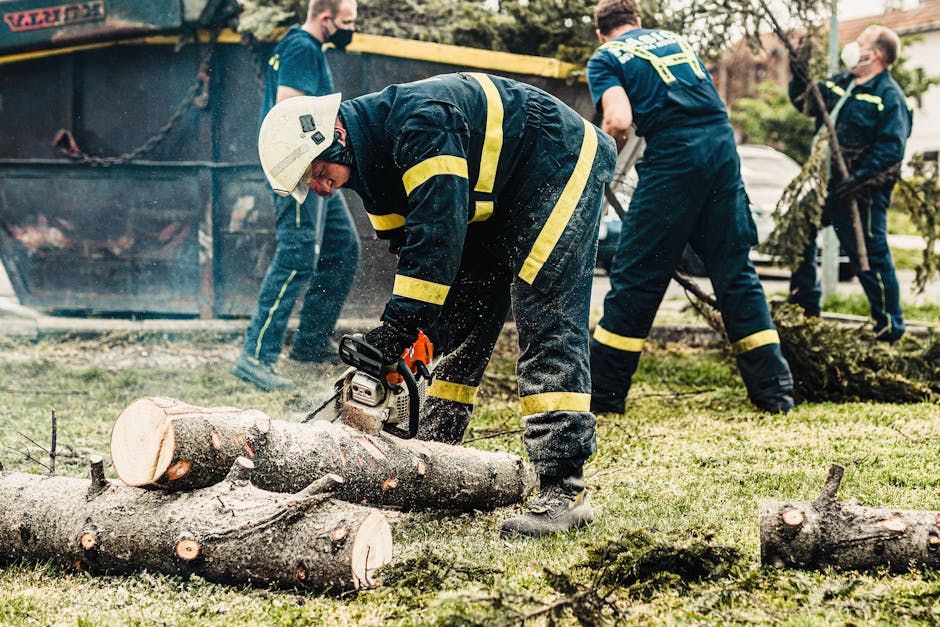
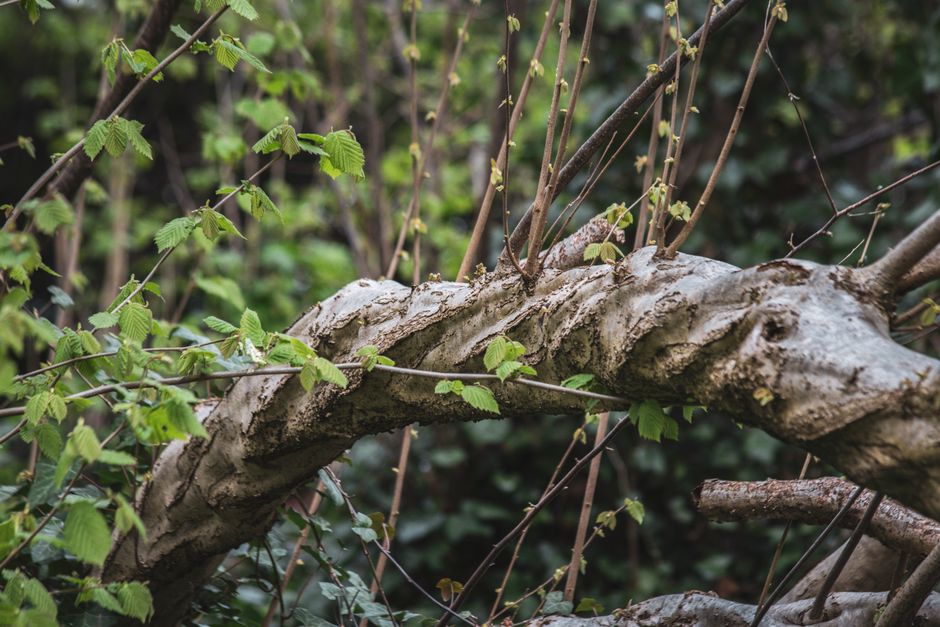
Emergency tree work gardeners in Chislehurst same day help
If a tree has split, leaned suddenly, dropped a heavy branch, or is blocking access after a windy night, you need calm, practical help fast. That is exactly where Emergency tree work gardeners in Chislehurst same day help comes in: a prompt response, sensible risk assessment, and the right garden and tree care to make the area safe without turning a bad situation into a worse one.
In Chislehurst, the most urgent tree jobs are often not glamorous. They are the messy, awkward ones. A branch across a driveway. A damaged hedge line after a storm. A tree rubbing on a fence. A fallen limb hanging a bit too low for comfort. This guide explains how same-day emergency tree help works, what it can realistically solve, and how to choose the safest next step. If you also need broader site tidy-up after the incident, it can be sensible to look at related services such as tree lopping and removal or garden clearance once the immediate hazard has been dealt with.
Let's face it: when a tree goes wrong, people rarely have time to browse around for ages. They want clarity, not a lecture. So this article is built to help you act quickly, ask the right questions, and understand what a good emergency visit should include.
Table of Contents
- Why same-day emergency tree help matters
- How emergency tree work works
- Key benefits and practical advantages
- Who needs this and when it makes sense
- Step-by-step guidance
- Expert tips for better results
- Common mistakes to avoid
- Tools, resources and recommendations
- Law, compliance and best practice
- Options and comparison table
- Case study example
- Practical checklist
- Conclusion
- Frequently asked questions
Why Emergency tree work gardeners in Chislehurst same day help Matters
An urgent tree problem is not just an inconvenience. It can affect safety, access, neighbours, insurance claims, and sometimes the stability of other parts of the garden. A cracked limb hanging over a path, for example, can look harmless from the road and still be dangerous up close. The sound of creaking wood after rain is one of those details that makes your stomach tighten a bit. That instinct is usually correct.
Same-day help matters because tree issues tend to worsen quickly. Wind moves a weakened branch. Saturated ground loosens roots. A minor lean becomes a much more serious structural problem. Early action can prevent a full collapse, limit damage to fences or sheds, and reduce the chance of someone walking into the danger zone without realising.
There is also a practical side. If a fallen branch blocks a driveway, the whole day gets derailed. Deliveries miss the property. Visitors cannot get in. Neighbours may be affected too, which adds a layer of stress nobody really wants. Quick emergency tree work helps restore normal life faster. Not perfectly, perhaps, but enough to breathe again.
And to be fair, emergency work is often as much about judgment as it is about cutting. A good gardener or tree worker will know when to remove a section immediately, when to fence off the area, and when to wait for safer conditions. That judgement is worth a lot.
How Emergency tree work gardeners in Chislehurst same day help Works
Emergency tree help usually starts with a fast phone call or message describing what has happened. The more precise you are, the better the response. A broken branch over a garden path is a different situation from a tree partly fallen onto a car, and both are different again from a tree leaning after storm damage.
In a same-day scenario, the process usually follows a simple pattern:
- Initial assessment. You explain the hazard, location, and whether anyone is in immediate danger.
- Priority check. The work is triaged by risk: obstruction, structural damage, hanging limbs, root movement, or confined-space issues.
- On-site inspection. The gardener or tree worker looks at the tree, surrounding property, access points, overhead lines, and ground conditions.
- Safety-first action. They may remove loose branches, make the area safe, reduce weight, or clear access before any larger work is planned.
- Follow-up recommendation. If the tree needs more extensive attention, you are usually advised on next steps such as staged reduction, pruning, or removal.
In real life, emergency work is often not one single dramatic cut. It is more careful than that. Sometimes the first job is simply to stop the tree from hurting anyone. Then the rest can be planned properly. That might include related garden maintenance afterwards, especially if the fallen material has scattered debris through borders, lawns, or footpaths. If the wider garden is in a rough state, garden maintenance can help bring things back under control once the urgent danger has passed.
A useful detail many people miss: access matters. If the garden is tight, the boundary tricky, or there is no side passage, the team may need to work in smaller sections. That is normal. It is not a delay for the sake of it. It is the difference between a neat safe job and a chaotic one.
Key Benefits and Practical Advantages
The biggest advantage is obvious: speed. But there are several other benefits worth noting.
- Reduced danger. Loose limbs and unstable trees are dealt with before someone gets hurt.
- Less property damage. Fast intervention can stop branches from crushing fencing, paving, sheds, or parked vehicles.
- Better decision-making. A skilled gardener can tell the difference between a cosmetic issue and a genuine hazard.
- Cleaner recovery. Emergency visits often include tidy-up work, which saves you from dealing with jagged debris later.
- Peace of mind. Honestly, being able to stop worrying about a branch over the driveway is worth quite a lot.
There is also a commercial advantage for landlords, letting agents, and property managers. Same-day tree help can reduce complaints, limit disruption, and show that the property is being managed responsibly. That matters when a tenant has called twice about a branch scraping the wall at night. Nobody enjoys that phone call.
For gardens that need a wider reset after the emergency, a service such as services overview can be a helpful starting point for seeing how tree work fits alongside other garden tasks. Sometimes the best outcome is not just "remove the branch", but "sort the whole patch properly while we are there".
Who This Is For and When It Makes Sense
Same-day emergency tree work is not only for dramatic storm damage. It can make sense for a wide range of people in Chislehurst:
- Homeowners with a branch that has split and is hanging low
- Older residents who need a safe garden access route restored quickly
- Families with children or pets who use the garden daily
- Landlords facing urgent tenant concerns
- Businesses with customer access or visible frontage to protect
- Anyone with a blocked driveway, path, or shared boundary
It makes sense when the issue is time-sensitive and safety-related. It may also make sense when the weather forecast suggests things could get worse by evening. A branch that looks "okay for now" at 9am can be more unstable by 6pm if the wind picks up. Chislehurst weather can be a bit of a nuisance like that, especially after a wet spell.
Use emergency help when there is clear risk, but don't overstate the problem just because it feels alarming. A trained professional will help you judge whether same-day action is really necessary or whether scheduled work is fine. That honesty matters.
Step-by-Step Guidance
If you want the best result from an emergency visit, a simple process works well. Here is the approach I would recommend.
- Stay clear of the hazard. Keep people, pets, and vehicles away from the area. Don't stand directly beneath a damaged branch. It sounds obvious, but in the moment people do wander under it.
- Take a few photos from a safe distance. This helps explain the issue and can be useful for your own records. No need for dramatic close-ups.
- Describe the problem clearly. Say whether the tree is leaning, split, uprooted, touching a roof, or blocking access. Mention if it is near a boundary, cable, or structure.
- Ask about same-day attendance. Confirm what can realistically be done on the first visit. Sometimes the first step is making the site safe, not finishing everything.
- Request a safety-led assessment. You want the worker to inspect the tree, the base, and the surrounding area before cutting.
- Decide on the immediate remedy. This may be pruning, section removal, branch reduction, or full removal if the tree is unsafe.
- Plan the tidy-up. Ask what debris will be removed, what wood will be left, and whether follow-on clearance is included.
One small but important point: if the tree is visibly interfering with a fence, roof edge, or utility line, mention that straight away. The call handler or gardener needs that context early. It saves time and avoids avoidable risk.
If the emergency is part of a bigger garden reset, you may also want to combine it with hedge trimming or lawn mowing later, because storm debris has a way of making the whole garden look more neglected than it really is.
Expert Tips for Better Results
Here are the little things that make an emergency visit smoother and safer.
- Be specific about access. Narrow side return? Locked gate? Steep steps? Say so early.
- Tell the truth about the tree's condition. If it has been moving for weeks, mention it. Slow damage can matter more than sudden damage.
- Keep pets indoors. Excitable dogs and falling branches are not a good mix, no matter how friendly the dog is.
- Clear obvious obstacles if safe to do so. Move cars, bins, or garden furniture only if the area can be reached without going near the hazard.
- Ask how waste will be handled. Some jobs need immediate clearance; others can be left neatly stacked for later removal.
- Consider the long-term fix. If a tree is repeatedly shedding limbs, the emergency cut may be only the first step.
A good local gardener will also think about the rest of the garden, not just the tree. Are nearby shrubs crushed? Is the boundary line damaged? Is the ground soft enough that heavy equipment could leave marks? These details are easy to overlook when everyone is focused on the main problem. But they matter. Quite a bit.
Expert summary: the best emergency tree visit is the one that reduces risk quickly, explains what is happening in plain English, and leaves you with a sensible plan rather than a half-finished mess.
Common Mistakes to Avoid
When a tree problem is urgent, people understandably rush. That is normal. But a few common mistakes can make things harder.
- Trying to cut the tree yourself without checking stability. A saw is not a safety plan.
- Standing under a hanging limb. It may not look like much, yet a change in tension can bring it down.
- Waiting too long because it "still seems attached". Attached does not always mean secure.
- Assuming every tree worker can handle emergency conditions. Not all are set up for same-day hazardous work.
- Ignoring the base of the tree. Root movement and soil lifting can be more serious than the visible damage above ground.
- Forgetting neighbours or shared boundaries. If a branch overhangs a fence line, the practical and communication side matters too.
There is another subtle mistake: focusing only on speed and forgetting safety. Fast is good. Reckless is not. A professional should never treat emergency work like a quick hack job. If a worker seems overly casual about a visibly unstable tree, that is a red flag, simple as that.
Tools, Resources and Recommendations
Emergency tree work can involve a mix of hand tools and more specialised equipment, depending on the situation. You do not need to know every item on the van, but it helps to understand the basics.
| Tool or Resource | Typical Use | Why It Matters |
|---|---|---|
| Hand saws and pruning tools | Smaller branch removal and precise cuts | Useful when careful control is needed near fences, walls, or planting |
| Chainsaw | Sectional cutting of larger limbs or trunks | Speeds up urgent work, but only when used by someone trained and alert |
| Ropes and rigging gear | Lowering heavy sections safely | Helps prevent damage to nearby structures and garden features |
| Ladders or access equipment | Reaching unsafe branches | Only appropriate where the ground and tree conditions allow it |
| Protective clothing | Gloves, eye protection, boots, helmets where needed | Basic safety standard for hazardous tree work |
| Waste bags, bins, or loading equipment | Removal of debris and green waste | Keeps the site safe and usable after the cut |
As a practical recommendation, keep your own phone charged and have the gate code, access notes, and any property restrictions ready when you call. It sounds tiny, but on an urgent day those little bits save minutes and confusion.
If the job spreads beyond the tree itself, a combination of insurance and safety information, sensible site access, and proper waste handling should be part of the conversation. Likewise, if the aftermath leaves the garden very cluttered, follow-up recycling and sustainability practices can be a nice indicator that the work is being handled properly rather than just tipped and forgotten.
Law, Compliance, Standards, or Best Practice
Tree work in the UK is not an area where guesswork is a good idea. Even when the work is urgent, the safer path is to follow normal professional practice: risk assess the site, check for obvious hazards, use appropriate protective equipment, and avoid causing damage to surrounding property.
Where trees may be protected, or where the site sits near boundary issues, a careful check is sensible before major work goes ahead. In plain English, emergency does not automatically mean "cut everything immediately". It means deal with the danger properly and lawfully. If the tree is in a conservation-sensitive setting or could be subject to local restrictions, that needs sensible attention before non-urgent removal. No one wants a quick fix that creates another problem later.
Good practice also includes clear communication about what the first visit covers, what is temporary safety work, and what may need a second appointment. This avoids misunderstandings. It also builds trust, which is a big part of any service that involves risk.
For clients, one useful habit is asking whether the work will be carried out with public and property safety in mind, and whether the team has suitable insurance for the type of task. That is not being awkward. It is just sensible.
Chislehurst gardens can be tight, mature, and a little uneven underfoot. That makes professional judgement more important, not less.
Options, Methods, or Comparison Table
Not every tree problem needs the same approach. The right method depends on the risk, the location, and the time pressure. Here is a simple comparison to help you think it through.
| Situation | Likely Best Response | Notes |
|---|---|---|
| Small hanging branch over a path | Same-day branch removal or reduction | Usually quick, but still needs a safe approach |
| Tree leaning after wind | Urgent assessment and possible staged reduction | Ground movement and root stability matter a lot here |
| Fallen limb blocking access | Immediate clearance and tidy-up | Often the fastest emergency job, though cleanup can take time |
| Tree touching roof or fence | Careful sectional work | Protects surrounding structures while reducing the hazard |
| Large tree with repeated failure | Assessment for pruning or removal | Emergency response may be just the first part of the plan |
In many cases, the decision is between make safe now and fully resolve now. Those are not always the same thing. For example, a damaged tree may be made safe on the day, then removed or reshaped later when conditions and access are better.
If the garden is already being improved, a broader service like landscaping or landscape gardening may also be relevant after the emergency phase. That can help turn a one-off problem into a cleaner, more resilient outdoor space.
Case Study or Real-World Example
Imagine a typical late-autumn morning in Chislehurst. Overnight wind has snapped a medium branch from a mature garden tree. The branch is not fully on the ground; it is hanging low, caught awkwardly between the main stem and a boundary fence. The homeowner notices it when opening the back door and hears a faint crackling sound in the wind. Not ideal.
The first response is simple: keep everyone away from the area and avoid pulling at the branch. The tree is assessed the same day. The worker sees that the branch is under tension and that the fence line is close enough to be damaged if it drops suddenly. Rather than forcing it free quickly, the safer move is to secure the surrounding area and remove the branch in controlled sections.
Once the hazard is dealt with, the garden still needs work. Twigs cover the lawn, the border is flattened in one corner, and the path is messy with bark and leaf debris. A follow-up tidy-up and a small amount of garden maintenance restore the space to a usable condition. The homeowner is relieved, of course, but more than that, the space feels normal again. You know that feeling when the garden stops looking like a drama and starts looking like a garden? Exactly that.
This is a good reminder that emergency tree work is not only about the tree. It is about restoring the whole outdoor space to something safe and liveable.
Practical Checklist
Use this quick checklist if you need same-day help.
- Keep people, pets, and vehicles away from the affected area
- Take safe-distance photos if they help explain the issue
- Note whether the tree is leaning, split, hung up, or touching something
- Check access: gates, side passages, parking, and any restrictions
- Ask whether the job can be attended the same day
- Confirm what the first visit is expected to achieve
- Ask how debris and waste will be handled
- Find out whether follow-up work may be needed
- Review nearby damage to fences, sheds, paving, or planting
- Keep a record of the visit and any recommendations
Practical takeaway: the best emergency response is calm, specific, and safety-led. Quick is useful. Clear is better.
If you need urgent support, it is worth speaking with a local team that understands the pressures of same-day tree work and can explain the next step without jargon. For more about the company and its approach, you can also review the about us page or go straight to contact us when time is tight. If you want to understand pricing expectations first, the pricing and quotes page is a sensible place to start.
Get a free quote today and see how much you can save.
Conclusion
Emergency tree work is one of those services you hope you never need, until you really do. When a branch falls, a tree leans, or access gets blocked, the priority is not perfect landscaping. It is safety, control, and a clear plan. Same-day help can reduce stress quickly, especially when the situation is handled by people who know how to assess risk without panic.
In Chislehurst, where many gardens are mature, boundary-heavy, and a little close-quartered, prompt tree care can make a huge difference. The right response is rarely dramatic. It is usually measured, practical, and reassuring. That is the point.
And once the immediate danger is gone, you can start thinking about the garden again instead of worrying about it. That alone is a small win, but a very real one.
Frequently Asked Questions
What counts as an emergency tree job?
An emergency tree job is any situation where a tree or branch poses an immediate or near-immediate risk to people, property, access, or safety. Typical examples include hanging limbs, storm damage, fallen branches, or a tree leaning suddenly after heavy rain or wind.
Can same-day help remove a fallen tree completely?
Sometimes yes, but not always. The first priority may be to make the area safe and remove the most dangerous material. Full removal can depend on access, size, weather, and how unstable the tree is. A good worker will tell you what can realistically be done on the day.
Is emergency tree work the same as regular tree removal?
No. Emergency work is focused on immediate safety and fast risk reduction. Regular tree removal is usually planned in advance. Emergency jobs can involve extra caution, sectional cutting, and temporary measures before any bigger job is scheduled.
Do I need to stay away from the tree if it only looks slightly damaged?
Yes, it is usually wise to keep a safe distance until someone has assessed it. A branch can look stable and still be under tension. If the tree has split, leaned, or started making cracking sounds, do not stand beneath it.
How do I know if the tree is dangerous or just messy?
If the damage affects stability, access, or nearby structures, treat it as potentially dangerous. Messy debris on the lawn is one thing; a hanging branch over a path is another. When in doubt, ask for an urgent assessment rather than assuming it is harmless.
Can emergency tree work be done in bad weather?
Sometimes, but only if conditions are safe enough for the work to proceed. Very strong winds, heavy rain, or poor visibility may limit what can be done immediately. In those cases, the first priority may be securing the site and returning when it is safer.
What should I tell the gardener when I call?
Explain what happened, where the tree is, whether it is touching anything, whether anyone is at risk, and how the garden can be accessed. Mention any gates, pets, parking limits, or neighbouring property concerns. Clear information helps the response a lot.
Will emergency work include clearing up the mess?
Often it does, at least partly, but the exact level of tidy-up depends on the job. Some visits focus on making the site safe first, then a separate clearance or maintenance visit finishes the tidy-up. It is sensible to ask what is included before work starts.
What if the tree is near a fence or shed?
That is common, and it makes careful sectional work more important. A professional will usually try to reduce the risk to nearby structures by controlling how branches are cut and lowered. It is one reason emergency tree work should not be treated like a quick DIY task.
How much does same-day emergency tree help cost?
Costs vary depending on urgency, access, tree size, risk, waste removal, and whether the job is simple clearance or more complex sectional work. The fairest approach is to request a quote based on the actual situation rather than guessing from a generic price online.
Should I ask about insurance before booking?
Yes. It is sensible to ask whether the work is covered appropriately for the type of task being carried out. Emergency tree work can involve higher risk than routine garden jobs, so confidence in safety and insurance is part of choosing the right provider.
What happens after the emergency is dealt with?
After the immediate danger is made safe, you may need follow-up work such as pruning, full removal, stump planning, or wider garden tidy-up. Some people also use the opportunity to improve the surrounding area with maintenance, clearance, or landscaping so the problem is less likely to repeat.